Expert Fence Replacement Services: Upgrade Your Home's Security
High-quality fence replacement options are fundamental to strengthening home protection. A well-chosen fence not only defines property boundaries but also deters potential intruders. A wide range of materials provide unique benefits, addressing different requirements and tastes. For homeowners evaluating enhancements, recognizing the range of options and their respective benefits proves critical. Choosing the ideal fencing solution entails evaluating multiple crucial elements that can profoundly affect both protection and curb appeal. Which factors deserve the most attention when homeowners choose their next fence?
Why Consider Investing in Quality Fence Replacement?
Investing in quality fence replacement also contributes to better functionality. To illustrate, a durable fence can mark property boundaries distinctly, reducing the likelihood of disagreements with neighbors. Moreover, it can act as a noise shield, delivering calm and privacy in lively neighborhoods.
At the end of the day, prioritizing superior materials over cheaper alternatives confirms that property owners benefit from a long-lasting option that endures harsh weather, pest damage, and general wear. All things considered, a high-quality fence upgrade is a worthwhile investment for homeowners who want to enhance their property's appeal and functionality.
How a Well-Built Fence Strengthens Security
A well-built fence significantly improves the security of any property. It acts as a tangible barrier that discourages potential intruders and unwanted access. The height and design of the fence can greatly impact its effectiveness, as taller fences are more challenging to climb, while designs without footholds further discourage tries to penetrate the enclosure.
Furthermore, a carefully designed fence can define the boundaries of a property, minimizing disagreements with surrounding residents and maintaining personal privacy. This sense of enclosure can foster a sense of security for residents.
Furthermore, specific fencing types are able to be outfitted with protective features including lockable gates, built-in alarms, or even security cameras, adding an extra layer of protection.
In city environments, where risks may be higher, a quality fence acts as an essential line of defense, providing peace of mind. Ultimately, choosing to install a well-constructed fence contributes to a safer living environment for households and their valued possessions.
The Benefits of Various Fence Materials
Selecting the appropriate fence material is crucial, as every choice provides unique benefits tailored to various needs and preferences. Wood fences provide a classic aesthetic, offering warmth and versatility in design. They may be painted or stained to complement home exteriors, but need consistent upkeep to avoid deterioration.
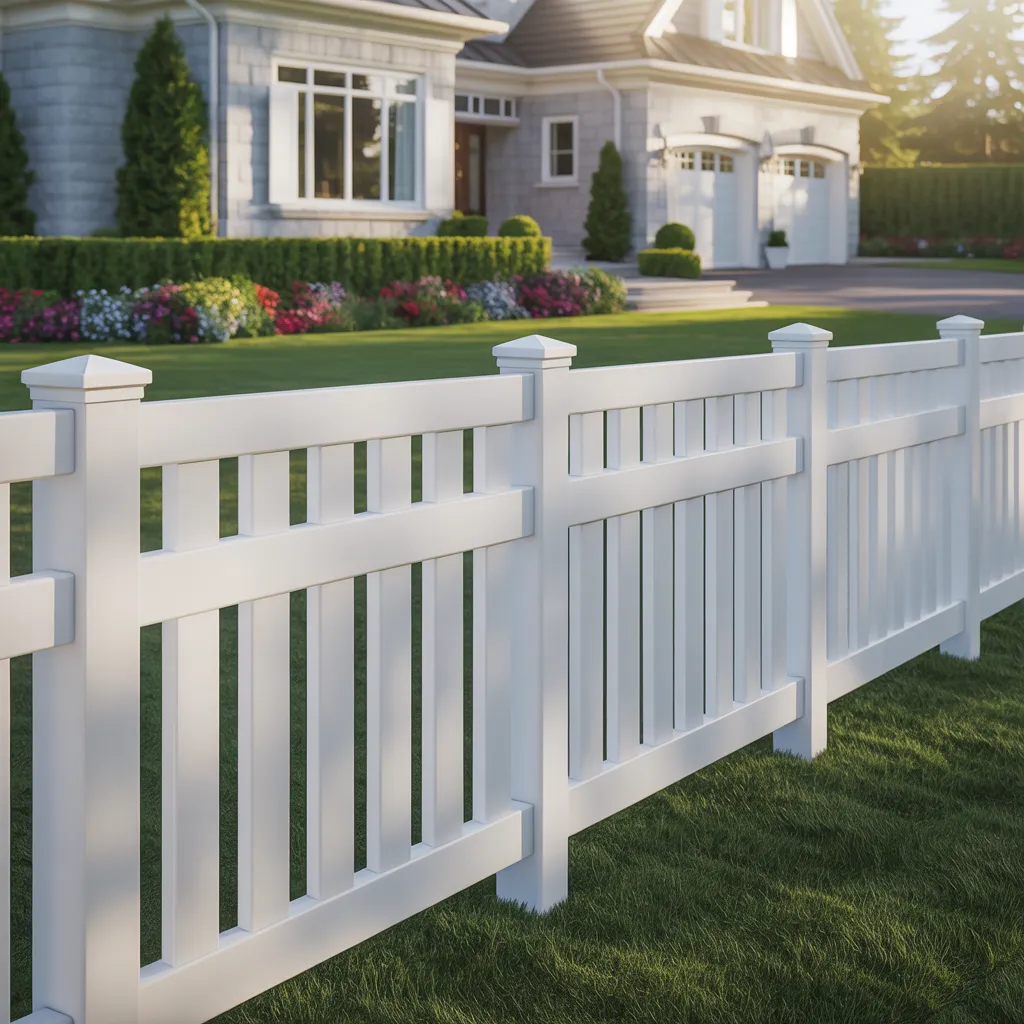
Vinyl fences, by contrast, are low-maintenance and resistant to rot and pests, making them a smart selection for lasting performance. They can be found in numerous styles and colors, enabling personalization without demanding significant maintenance.
Chain-link fencing is economical and durable, ideal for security while maintaining visibility. They are commonly found in commercial environments and can be enhanced with privacy slats.
Aluminum fences blend resilience and aesthetic appeal, providing a decorative option that is rust-resistant and ideal for spaces that call for a more delicate approach. In the end, choosing the appropriate material is influenced by cost, preferred appearance, and upkeep dedication.
Critical Factors for Determining the Right Fence Style
Choosing the right fence style entails considering a range of factors that suit the homeowner's preferences and property characteristics. First, the desired purpose of the fence is a key consideration; whether for security, privacy, or aesthetic appeal can greatly influence the selection. Homeowners must also evaluate the current landscape and architecture of their property, making sure the fence harmonizes with the general design.
Local zoning regulations and neighborhood guidelines often enforce constraints regarding dimensions, construction materials, or design styles, requiring thorough evaluation to prevent possible penalties or rejection. Upkeep demands must not timely resource be ignored, as some materials demand more upkeep than others. Additionally, climate conditions can affect durability; for instance, waterfront properties may demand weather-resistant alternatives. Ultimately, financial planning is essential, as different designs carry varying costs, influencing the total expenditure on the property. Balancing these factors will facilitate a well-informed fencing decision that enhances both functionality and curb appeal.
Why Consider Upgrading to a Modern Fence?
Why should homeowners think about switching to a modern fence? More and more homeowners are discovering the advantages of modern fencing options that improve both appearance and practicality. Contemporary fencing solutions are available in a diverse range of materials, including vinyl, aluminum, and composite, all of which offer superior longevity and minimal maintenance when compared to traditional wooden alternatives. These materials resist weathering and pests, ensuring longer lifespan and reduced replacement costs.
Additionally, innovative designs can increase property value by adding to a home's general attractiveness. By choosing options that emphasize security, including greater heights and sophisticated locking systems, homeowners can strengthen their sense of safety. Beyond security, privacy fencing can also advance energy efficiency by aiding in the stabilization of outdoor temperatures. Choosing to upgrade to a modern fence corresponds with prevailing home improvement trends, presenting homeowners with a valuable opportunity to invest in their property while maintaining safety and sophistication.
Top Maintenance Tips to Keep Your Fence Long-Lasting
Preserving a fence necessitates attention to several key measures to guarantee its long-term performance. Regular inspections and immediate corrections can stop small problems from becoming major ones, while appropriate maintenance methods work to maintain the structural quality. Moreover, utilizing protective weatherproofing methods is critical to shielding the fence from harsh weather conditions.
Periodic Inspections And Repairs
Regular inspections and timely repairs play an essential role in prolonging the life of fences. Homeowners should conduct routine checks for evidence of damage, such as rust, decay, or loose boards. This preventative strategy aids in detecting small problems before they develop into expensive repairs. Moreover, checking the fence posts and foundation can expose structural flaws that might jeopardize the fence's durability. If damage is detected, addressing it promptly—whether through tightening screws, replacing planks, or applying protective coatings—can greatly enhance durability. Planning annual professional inspections can further confirm that any underlying concerns are managed efficiently. Through dedicating effort to consistent upkeep, homeowners can protect their investment and preserve the fence's performance and visual appeal over the years.
Appropriate Cleaning Practices
After ensuring the fence's structural integrity through examinations and fixes, appropriate cleaning practices prove vital in preserving its look and lifespan. Regularly removing dirt, debris, and organic growth helps prevent deterioration. A soft brush or broom can successfully remove built-up dirt, while a blend of gentle detergent and water serves as a gentle cleaning solution. For tougher stains, a high-pressure cleaner can be applied, but vigilance is required to prevent harming the fence surface. Washing completely following cleaning is vital to remove any soap residue. Furthermore, applying a protective sealant after cleaning can boost longevity. By adopting these maintenance techniques, property owners can significantly prolong their fence's life, guaranteeing both practicality and visual attractiveness.
Weather Protection Strategies For Fences
Weatherproofing a fence is vital for preserving its integrity against the elements. Using a premium sealant or wood preservative helps shield against moisture, keeping rot and decay at bay. Routine inspections are essential; any indications of damage must be handled quickly to prevent additional decline. In the case of metal fences, applying a rust-preventative paint can guard against damaging weather conditions. Furthermore, ensuring adequate drainage along the fence line will assist in reducing water exposure. Installing a protective barrier, such as gravel or mulch, can divert water away from the fence base. In closing, keeping vegetation around the fence trimmed and controlled can boost airflow and decrease moisture retention, helping the fence last longer. Putting these practices into action will guarantee that fences continue to be resilient and reliable for years ahead.
How to Find the Ideal Fence Replacement Service
When choosing a fence replacement service, what important factors should be taken into account? First, it is important to evaluate the company's experience and reputation. Well-known providers commonly share client testimonials or references, reflecting their trustworthiness and caliber. Furthermore, reviewing the selection of materials and styles provided can aid in balancing personal tastes with performance and lasting quality.
Furthermore, obtaining thorough quotes is crucial. A clear breakdown of charges, including materials and labor, will prevent hidden fees. Inquire about service guarantees and follow-up assistance, as these can significantly determine your long-term experience.
Licensing along with insurance are both critical; they provide protection against liability should accidents occur during installation. Ultimately, clear and effective communication is vital. A contractor who attentively listens to concerns and offers clear responses will build a productive working relationship. Through careful evaluation of these factors, homeowners can reach informed decisions and confirm their fence replacement fulfills both decorative and functional expectations.
Frequently Asked Questions
How Long Does a Typical Fence Replacement Project Take?
An average fence replacement undertaking generally takes anywhere from one to three days, depending on factors such as the size of the area, the type of materials used, and how complex the installation process is.
Are Permits Required for Fence Replacement?
Permits are often required for replacing a fence, based on the fence's height or type and local regulations. Homeowners should consult with their local government to confirm compliance with zoning laws and building codes.
What Is the Typical Cost of Fence Replacement?
The standard cost of replacing a fence usually falls between $1,500 and $3,500, based on materials, labor costs, and regional pricing differences. Homeowners are encouraged to take these factors into account when setting a budget for their fencing projects.
Am I Able to Install the Fence on My Own?
Yes, an individual can put up a fence on their own, provided they possess the necessary skills, tools, and understanding about local codes and regulations. That said, hiring a professional may ensure higher quality workmanship and adherence to installation guidelines.
What Types of Warranties Are Offered for New Fences?
Various warranties for new fences typically include manufacturer warranties covering materials and workmanship, generally spanning anywhere from one to twenty years. Furthermore, certain installers provide limited lifetime warranties on their installation work, providing long-term coverage against potential defects and issues.